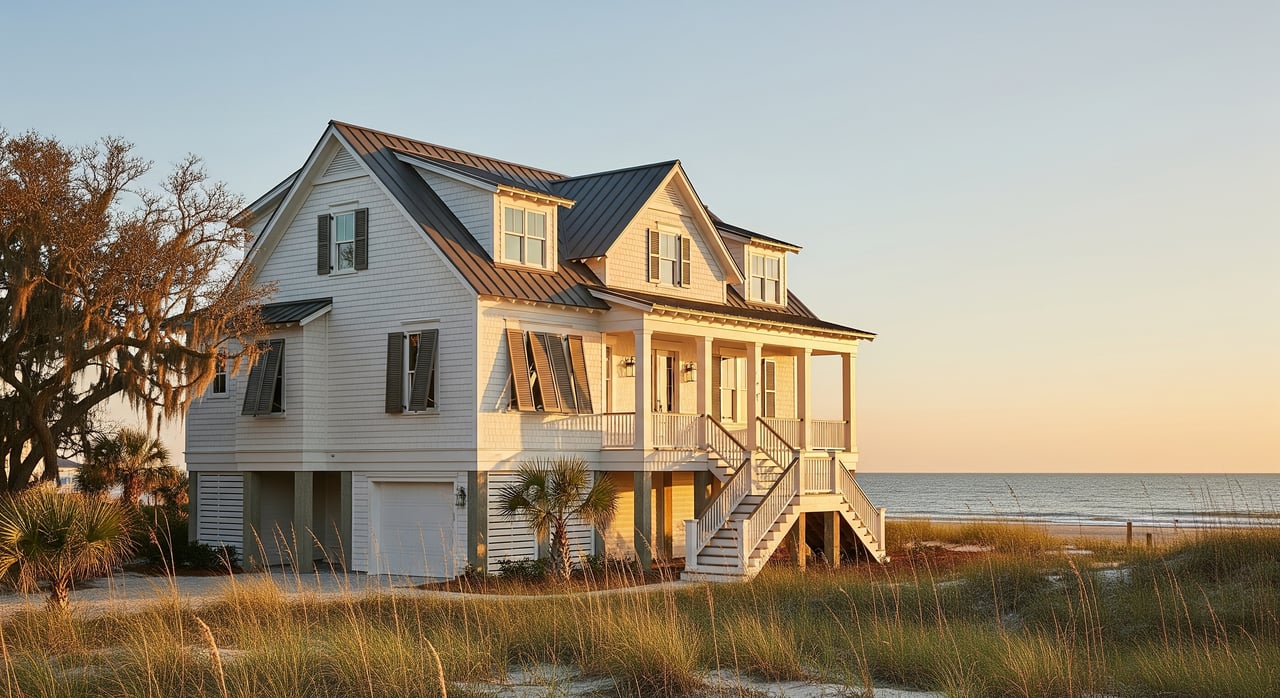
Is your insurer asking for a 4-point or wind mitigation inspection on a Sullivan’s Island home? You are not alone. Coastal properties face unique risks, and insurers often want proof that key systems are sound and that the structure can stand up to strong winds. In this guide, you will learn what each inspection covers, when to order them, how results can affect your insurance and closing, and how to keep your timeline on track. Let’s dive in.
What a 4-point inspection covers
A 4-point inspection is a focused review of four major systems in an existing home. It is more limited than a full home inspection and is often requested by insurers for older homes or homes without complete documentation.
Here is what inspectors typically document:
- Roof: age, material, visible condition, evidence of leaks, remaining life estimate. Roof documentation is common if the roof is older or near the end of its expected life.
- Plumbing: visible supply and drain materials, signs of active leaks, and water heater age and condition.
- Electrical: service size, wiring type, presence of modern breakers and GFCIs, and panel condition.
- HVAC: age and condition of heating and cooling equipment and obvious deficiencies.
If you want a quick overview of the typical items, review a common 4-point checklist from professional inspectors like those at InterNACHI.
Why 4-point matters on Sullivan’s Island
Sullivan’s Island is a barrier island exposed to hurricanes, storm surge, and high winds. Insurers look closely at roof condition, electrical safety, and plumbing to gauge risk. Roof age is especially important. Older roofs may trigger requests for a roof certification or replacement before an insurer will bind coverage. When a 4-point report shows issues like a leaking roof, outdated wiring, or aging HVAC, insurers may require repairs or decline coverage.
What a wind mitigation inspection covers
A wind mitigation inspection evaluates the features that help a home resist wind damage. The report documents structural details and materials that reduce the chance of wind-related loss and may qualify your policy for credits.
Inspectors commonly note:
- Roof shape and geometry, such as hip vs gable
- Roof covering type, age, and condition
- Roof-to-wall connections like hurricane clips or straps
- Roof deck attachment, including nail type and spacing
- Secondary water barrier under the roof covering
- Opening protection, such as impact-rated windows or approved shutters
- Evidence of a continuous load path from roof to foundation
You can learn how insurers use these features from the Insurance Information Institute’s guide to windstorm mitigation credits.
Coastal factors insurers watch
On Sullivan’s Island, salt air can accelerate corrosion of metal connectors and flashing. Inspectors often note corrosion that could weaken clips or straps. Roof age and roof-to-wall connections are big factors in underwriting, and approved shutter systems or impact-rated windows can influence credits or eligibility. A secondary water barrier can also help limit water intrusion if shingles are damaged during a storm.
Who requests these inspections and when
- Insurance companies: Most often. Insurers may require a 4-point report on older homes and request a wind mitigation inspection to confirm features that qualify for credits or are required for eligibility.
- Mortgage lenders: Lenders require hazard insurance for closing. While they rarely mandate these inspections directly, the need to secure insurance can prompt them.
- Buyers and sellers: Many buyers order both inspections during due diligence so they understand insurance requirements and timelines early.
For consumer guidance specific to South Carolina homeowners insurance, the South Carolina Department of Insurance is a helpful reference.
How results affect insurance and closing
Insurers use the reports to assess eligibility and pricing:
- Offer a policy as-is
- Offer a policy with a premium increase
- Grant credits for qualifying wind mitigation features
- Require repairs or upgrades before binding a policy
- Decline coverage
When repairs are required before binding, closing can be delayed. Roof replacements, electrical upgrades, and permitted work can take days to several weeks, depending on contractor availability and permit timelines. If one insurer declines late in the process, your agent may pivot to alternatives, which can mean different pricing or terms.
Flood insurance is separate from wind
Wind mitigation deals with wind risk only. Flood insurance is separate and is often required when a federally backed mortgage is used and the property is in a mapped flood zone. To check local flood maps and elevation data, use FEMA’s Flood Map Service Center. For flood insurance basics, see the NFIP’s consumer site, FloodSmart.
14-day due diligence plan for Sullivan’s Island
If your contract allows 14 days, this sample timeline helps you move efficiently:
- Day 0: Offer accepted.
- Day 0 to 1: Contact a local coastal insurance agent for preliminary quotes and to learn likely requirements.
- Day 1: Schedule the general home inspection plus the 4-point and wind mitigation inspections at the same time. Add a roof-specific inspection if roof age is uncertain.
- Day 3 to 5: Inspections occur; reports typically return within 24 to 72 hours.
- Day 5 to 7: Review findings and request contractor estimates for any insurer-required repairs.
- Day 7 to 10: Negotiate repairs or credits with the seller. Confirm who will complete the work, pay for it, and provide permits and final inspections.
- Day 10 to 14: Complete repairs, obtain documentation or re-inspection, secure the binder, and move to close.
If you only have 7 days
Act immediately on Day 0 to schedule inspections and request rush reporting. Line up contractors for quick bids. Be prepared to negotiate an escrow holdback if larger repairs cannot be completed before closing and if your lender and insurer agree to bind coverage.
Local coordination tips that save time
- Talk to an insurance agent early. A Charleston-area agent can confirm which carriers are active on Sullivan’s Island and what they require.
- Use coastal-experienced inspectors. Choose pros familiar with salt-air corrosion, hurricane straps, and opening protection systems.
- Combine inspections. One inspector can often complete the 4-point and wind mitigation in a single visit.
- Gather documents fast. Ask the seller for roof invoices, permits, impact window or shutter documentation, and any engineer reports.
- Anticipate roof questions. Older roofs may need certification or replacement. Budget time for roof work and re-inspection if needed.
- Start permits early. The Town and County maintain building records and permitting processes that can add time. Check the Town of Sullivan’s Island for contacts and resources on the official site, and review processes with Charleston County Building Services.
- Document corrosion and retrofits. Ask your wind mitigation inspector to photo-document corroded connectors so you can plan targeted repairs.
- Have backup insurance options. Specialty coastal carriers can be alternatives if a standard insurer declines. Your local agent can outline options early.
- Put agreements in writing. For any seller-performed repairs, document the scope, responsible party, permits, timelines, and acceptance criteria.
Repair, re-inspection, and escrow options
- Complete repairs before closing. Preferred. Collect receipts, permits, warranties, and final inspections.
- Escrow holdback. If work cannot be finished before closing, negotiate a holdback with clear milestones and re-inspection terms. Lenders may require proof that coverage will be bound.
- Endorsements after closing. When you add wind mitigation features later, your insurer may require an endorsement or re-inspection to apply credits.
Buying on Sullivan’s Island should feel exciting, not stressful. When you order 4-point and wind mitigation inspections early and coordinate with the right local team, you give yourself the best path to secure insurance, keep your timeline, and close with confidence. If you would like a local guide to help coordinate inspections, quotes, and negotiations, connect with Lisa Nicole Thornton for concierge-level support.
FAQs
What is the difference between a 4-point and a full home inspection?
- A 4-point is a limited report on roof, plumbing, electrical, and HVAC for insurance underwriting, while a full home inspection is a broader condition review for buyer knowledge.
How does a wind mitigation inspection lower premiums?
- Insurers often provide credits for qualifying features such as hurricane clips, impact-rated openings, and a well-secured roof deck, as explained by the Insurance Information Institute.
Do new homes on Sullivan’s Island need these inspections?
- Newer construction may not trigger a 4-point request, but a wind mitigation inspection can still document features that qualify for credits or help with underwriting.
Who can perform 4-point and wind mitigation inspections?
- Many licensed home inspectors offer both services. You can preview a typical 4-point scope at InterNACHI.
Is flood insurance required on Sullivan’s Island?
- If your structure is in a mapped flood zone and you use a federally backed mortgage, flood insurance is typically required. Check your property’s zone at FEMA’s Flood Map Service Center and review basics at FloodSmart.
What happens if an insurer requires repairs before binding?
- Closing may be delayed until repairs are completed and re-inspected, or you may negotiate an escrow holdback if your lender and insurer agree to bind coverage in the interim. For consumer guidance, see the South Carolina Department of Insurance.
