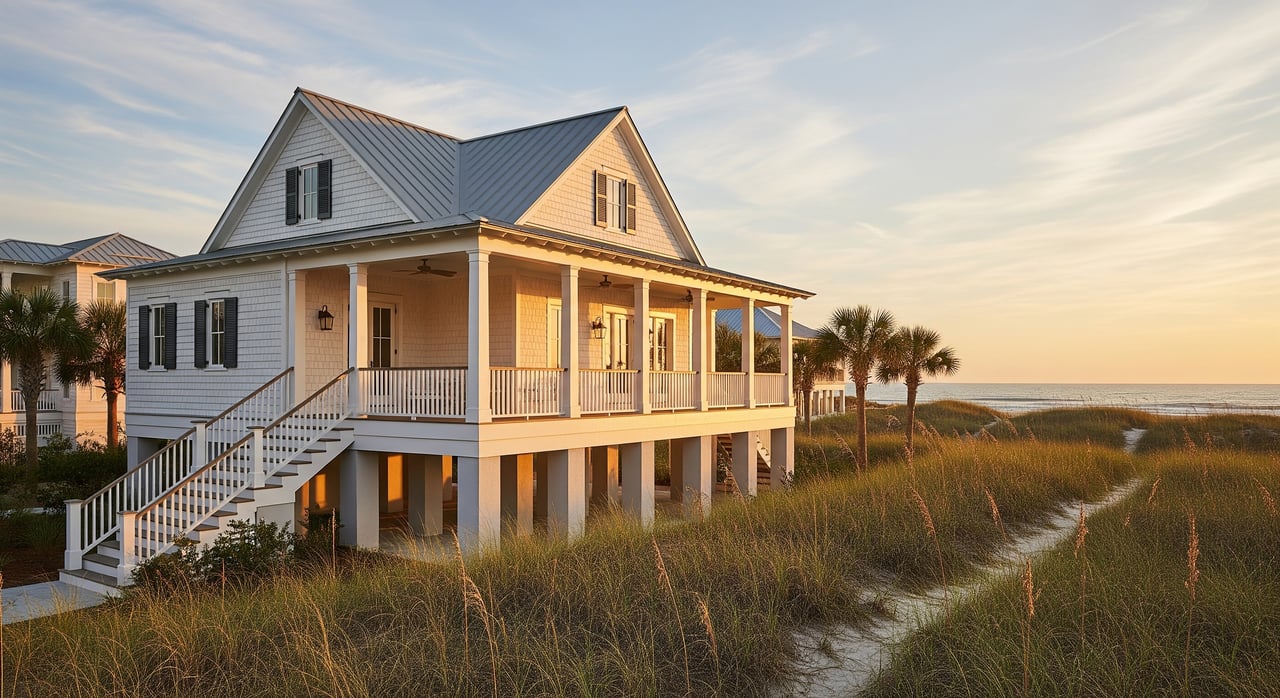
Owning a home on Isle of Palms is special, but coastal weather means insurance works a little differently here. You may be comparing quotes, hearing new terms, and wondering what really protects your home, dock, and belongings. You’ll leave this guide knowing the essential coverages to consider, what lenders typically require, and how to make smart choices for a barrier-island property. Let’s dive in.
What your homeowners policy covers
Core protections you can expect
A standard homeowners policy, often called HO-3, typically covers your dwelling, other structures, personal property, loss of use if you cannot stay in your home during repairs, and personal liability. Review whether your dwelling limit reflects true replacement cost, especially if the home is elevated or built to coastal codes. Construction on pilings, impact glass, and upgraded materials can increase rebuild costs.
Coastal differences to watch for
On Isle of Palms, wind and hail may be handled differently than inland policies. Some insurers include wind, while others apply a separate wind or hurricane deductible, or exclude wind unless you add an endorsement or separate policy. Always confirm if wind is included, and how deductibles work for named storms.
Wind and hurricane coverage
How wind coverage is structured
Insurers may include wind and hail within your homeowners policy or write it separately. On the coast, it is common to see a percentage-based wind or hurricane deductible that applies only when a tropical cyclone is declared. Some properties are insured through specialized or surplus markets when admitted carriers limit coastal exposure. The South Carolina Department of Insurance is a good resource to understand market options and carrier status.
Deductibles you will see
Expect wind or named-storm deductibles listed as a percentage of your dwelling limit, often 1 to 5 percent. This is separate from your standard deductible for fire or theft. Know the exact trigger for the named-storm deductible, and budget for your out-of-pocket exposure during a hurricane claim.
What affects your wind premium
Underwriters look closely at roof age and materials, roof-to-wall connections, hurricane straps, impact-rated windows or shutters, and how the home’s design handles wind. Recent retrofits and compliance with stronger building codes can help. If you have upgrades, document them for your insurer.
Flood insurance basics
Why flood is a separate policy
Standard homeowners insurance excludes flood. Storm surge, tidal flooding, and rising water are considered flood, so you need a separate flood policy. The National Flood Insurance Program provides widely available coverage with regulated rates, and private flood insurers may offer alternatives.
NFIP vs private flood options
NFIP policies, administered by FEMA, typically offer up to $250,000 for the building and $100,000 for contents for residential properties. Private flood policies may provide higher limits or broader terms, depending on the home’s elevation and risk. NFIP policies usually have a 30-day waiting period before coverage starts, so plan ahead, especially if you are under contract.
Lender requirements for flood
If your home is in a FEMA Special Flood Hazard Area and you have a federally related mortgage, your lender must require flood insurance for closing. Even outside mapped zones, many coastal owners buy flood coverage due to storm surge potential. Check your flood zone and Base Flood Elevation early in the process, and ask for an Elevation Certificate for accurate rating.
Excess and umbrella protection
Personal umbrella liability
An umbrella policy sits above your homeowners liability limit and is useful for waterfront homes, docks, frequent guests, and any rental activity. It is an efficient way to add protection for injury claims that exceed your base policy limits.
Excess flood coverage
If your replacement cost exceeds NFIP limits, consider private excess flood to bridge the gap. Your agent can help stack NFIP and private options so your building and contents are adequately insured.
Lender requirements on Isle of Palms
Hazard insurance basics
Lenders require a policy that protects the structure, names the mortgage company, and typically reflects replacement cost or enough coverage to protect the collateral. Many lenders escrow premiums and want proof of coverage well before closing.
Flood rules and escrow
In FEMA high-risk zones, lenders must confirm flood coverage that meets federal standards, often the lesser of your loan balance or the maximum available NFIP building limit. Some lenders require flood insurance even outside high-risk zones based on internal guidelines. Your closing timeline should account for the NFIP waiting period when applicable.
If coverage lapses
If required insurance lapses, lenders can place force-placed insurance, which is usually more expensive and offers less protection for your belongings and liability. Stay ahead of renewals and escrow changes to avoid gaps.
Underwriting factors on Isle of Palms
Elevation and floodplain details
Isle of Palms is a barrier island with areas that are closer to sea level. Underwriters consider your Base Flood Elevation, lowest-floor height, and whether utilities and mechanicals are elevated or flood-proofed. An Elevation Certificate can materially improve flood rating and pricing.
Wind mitigation features
Proximity to open water increases wind exposure. Features like newer roofs, hurricane straps, reinforced roof-to-wall connections, and impact glass can reduce risk. Provide documentation of any wind mitigation work to pursue credits.
Property use and occupancy
Second homes and short-term rentals can have different underwriting and policy forms. Some insurers require a dwelling fire or commercial policy for rentals, and vacancy clauses may apply if the home is not occupied for extended periods. Share your intended use with your agent so quotes match reality.
Your coastal insurance checklist
- Confirm flood status and elevation.
- Check your map panel and zone, then request an Elevation Certificate if you are in or near a Special Flood Hazard Area.
- Review the home’s insurance history.
- Ask for current declarations pages for homeowners, wind, and flood, plus a 5 to 7 year claims history if available.
- Get multiple quotes early.
- Compare 2 to 3 quotes for homeowners and flood, including private flood if offered. Ask about wind and named-storm deductibles and exclusions.
- Order inspections that earn credits.
- A wind mitigation inspection can document shutters, straps, and impact glass. Elevate utilities and document upgrades where feasible.
- Check limits and gaps.
- Confirm replacement cost coverage, ordinance or law coverage for code upgrades, and whether contents are insured at replacement cost or actual cash value.
- Coordinate with your lender.
- Confirm minimum required coverages, escrow, and approved policy types. Bind flood coverage before closing if required.
- Consider umbrella and excess flood.
- Waterfront features and rental activity increase liability exposure. Price an umbrella and, if needed, excess flood limits.
- Plan for volatility.
- Coastal premiums can shift with market conditions and storms. Build a buffer into your carrying-cost estimates and renew quotes annually.
Cost drivers to expect
- Distance to open water and exposure to storm surge.
- Elevation relative to Base Flood Elevation and the presence of an Elevation Certificate.
- Year built and compliance with current coastal building codes.
- Roof age, material, and documented wind mitigation features.
- Prior wind or flood claims on the property.
- Occupancy type, including seasonal use or short-term rental activity.
Local resources and next steps
- Check your flood zone and map panel through the FEMA Flood Map Service Center. Use this to understand whether your lender will require flood coverage and whether an Elevation Certificate could help.
- Learn about NFIP coverage, waiting periods, and claims through FEMA’s flood insurance pages.
- For licensed carriers, consumer protections, and guidance in South Carolina, visit the South Carolina Department of Insurance.
- For local building codes, permits, and floodplain management on the island, consult the City of Isle of Palms.
- For county-level floodplain rules and mapping resources, review Charleston County’s official site.
- For hurricane forecasts and preparedness guidance, track updates from the National Hurricane Center during storm season.
- For clear explanations of homeowners and flood coverage types, explore the Insurance Information Institute and the National Association of Insurance Commissioners.
- For mortgage and insurance servicing basics, including escrow and force-placed insurance, see the Consumer Financial Protection Bureau.
When you are ready to compare homes on Isle of Palms, you deserve a plan that blends lifestyle, risk, and long-term value. If you want a local partner who coordinates your insurance conversations alongside inspections, lending, and closing, reach out to Lisa Nicole Thornton for a personalized consultation.
FAQs
Do Isle of Palms homeowners need separate flood insurance?
- If your home is in a FEMA Special Flood Hazard Area and you have a federally related mortgage, your lender will require a separate flood policy, and many owners outside mapped zones still choose flood due to storm surge risk.
How do hurricane deductibles affect my budget on Isle of Palms?
- Many coastal policies use a percentage-based hurricane or named-storm deductible that applies only during a declared event, so understand the percentage and calculate your potential out-of-pocket before you bind coverage.
What documents help lower my flood premium on a barrier island?
- An Elevation Certificate that shows your lowest floor above Base Flood Elevation can improve rating for NFIP and private flood policies, and documentation of elevated utilities also helps.
Is wind automatically included in my homeowners policy near the beach?
- Not always, so confirm if wind and hail are included, whether a separate endorsement or policy is required, and what deductible applies for named storms.
Should Isle of Palms owners consider an umbrella policy for waterfront homes?
- Yes, a personal umbrella is a smart way to add liability protection above your homeowners limits, especially if you have docks, stairs, frequent guests, or rental activity.
What happens if my required insurance lapses while I have a mortgage?
- Your lender can place force-placed insurance, which is usually more expensive and offers less protection for your contents and liability, so keep coverage active and coordinate renewals early.
