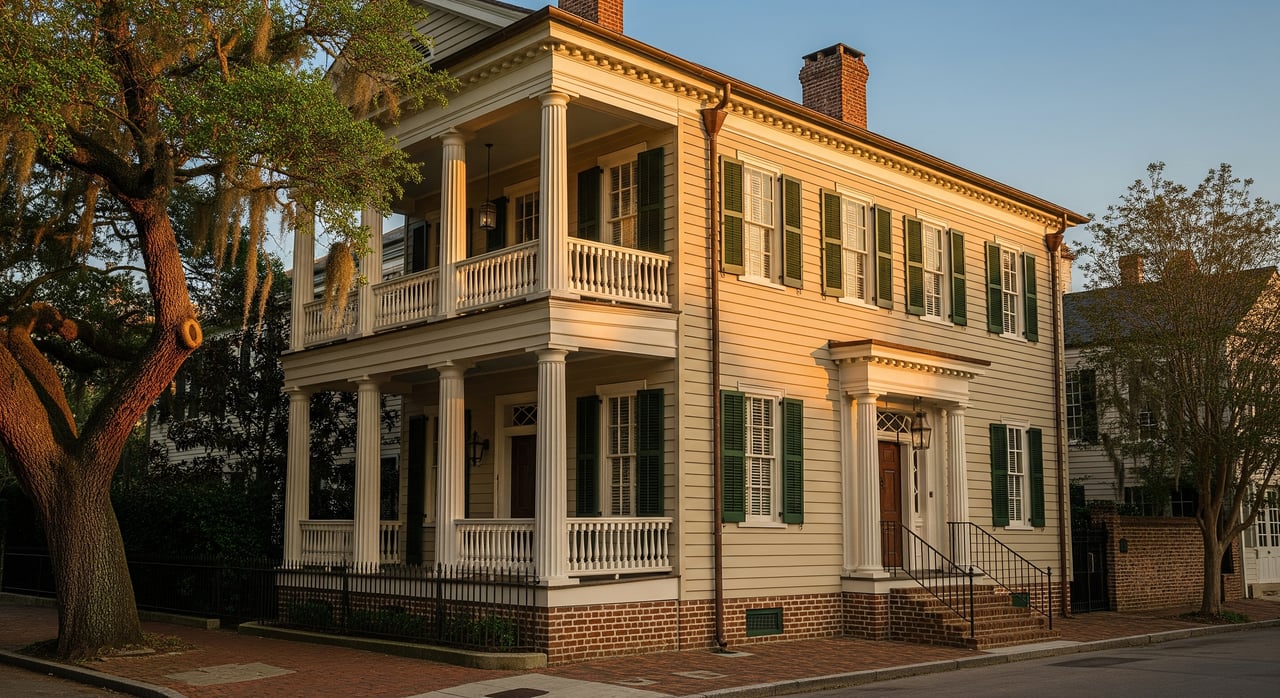
Planning to repaint a façade, swap windows, or add a porch in downtown Charleston? Before any exterior work begins, you will likely need approval from the City’s Board of Architectural Review. If that sounds daunting, you are not alone. The process is manageable once you understand what the BAR reviews, how to prepare your submittal, and what timeline to expect. This guide walks you through the essentials so you can plan confidently and keep your project on track. Let’s dive in.
BAR basics in Charleston
The Board of Architectural Review is the City’s historic-district review body. It evaluates exterior changes in designated districts, including the Old and Historic District, to ensure work is compatible with Charleston’s historic character. Its authority comes from local preservation ordinances and municipal code.
BAR review focuses on exterior work visible from the public right of way or that affects historic character. It is not a building permit. You will typically need a BAR approval first, then building permits follow.
There are levels of review:
- Staff or administrative approval: Many small or routine items are approved by preservation staff.
- Full BAR hearing: Larger projects, new construction, major additions, and complex or contentious items go to a public BAR meeting.
- Conceptual vs. final review: Some projects start with a conceptual presentation to get feedback before you prepare full construction documents.
Does your project need BAR review?
Most exterior changes visible from the street require BAR oversight. Common examples include:
- Additions and new exterior elements such as porches, dormers, or expansions.
- New construction and major site reconfiguration seen from public ways.
- Demolition of all or part of a contributing structure.
- Facade alterations including window and door replacement, storefront changes, and major repairs to masonry or wood.
- Roofing changes if visible from the street, and new dormers.
- Porch work including enclosures and changes to columns, railings, and flooring.
- Siding and cladding changes in material or profile.
- Exterior paint color changes in some cases depending on location and building type.
- Fences, gates, and walls visible from the public right of way.
- Site work that affects character, such as paving and hardscape.
- Mechanical equipment visible from public ways, including HVAC units and roof equipment, and solar panels visible from public ways.
- Exterior lighting and signage in historic areas.
Work that typically does not require BAR approval:
- Interior work that does not affect the exterior.
- Routine maintenance using like materials for minor, localized repairs. When in doubt, confirm scope with staff because extent matters.
How to prepare a strong submittal
Preparing a clear, complete package saves time and reduces back-and-forth. Plan to include:
- Application form from the City’s planning or historic preservation pages.
- Project narrative summarizing scope, historic context, and proposed materials.
- Site or lot plan showing the building footprint, property lines, and adjacent public right of way.
- Existing and proposed elevations with scale and streetscape context.
- Photographs of the full building, streetscape context, and close-ups of affected areas.
- Construction drawings and details for windows, doors, porches, railings, roof slopes, flashing, foundations, and similar elements.
- Material samples and specifications such as manufacturer sheets, product photos, color chips, masonry or siding profiles, and roof samples.
- Landscape and site details for fences, pavement, retaining walls, site lighting, and mechanical equipment locations.
- Team contacts for the owner, architect, and contractor, plus any required certifications.
- Demolition documentation if applicable, including structural assessments and alternatives considered.
- Fee payment per the City’s current schedule.
Practical tips:
- Provide side-by-side “existing vs. proposed” images or drawings.
- Organize a single labeled PDF with a cover sheet, narrative, photos, plans, and details.
- If you are unsure about the required detail, request a pre-application or conceptual review with staff.
Timelines and meeting process in Charleston
A realistic plan prevents surprises. Here is what to expect:
- Pre-application or staff consult: Schedule 2 to 4 weeks ahead when possible. These meetings clarify whether you need a full BAR hearing and what materials to include.
- Staff review time: For projects eligible for administrative approval, plan for a few days to several weeks depending on complexity and workload.
- BAR meeting cycle: The Board meets on a regular schedule and uses submission cutoffs. From complete submission to a hearing, allow roughly 3 to 6 weeks for staff review and agenda placement. If revisions are requested, add 2 to 8 weeks or more.
Overall planning windows:
- Small, routine projects that qualify for staff approval: about 2 to 6 weeks from consult to decision.
- Moderate projects such as porch repairs or window replacement that need BAR review: about 6 to 12 weeks.
- Major work such as additions, new construction, or demolition: several months. Plan for 3 to 6 months or more to allow for revisions.
Remember, a Certificate of Appropriateness (COA) does not replace building permits. Coordinate permit submittals so you can move straight into permitting once the COA is issued. For urgent stabilization, contact staff right away to discuss emergency procedures.
What to expect at a BAR hearing
Full hearings are public meetings. Your project will appear on an agenda, staff will present, and you or your design team may speak. The Board focuses on compatibility with historic character, streetscape context, and material profiles. Conceptual reviews provide guidance without final approval. Final reviews focus on details, materials, and conditions for the COA.
Likely outcomes and staying compliant
The BAR may:
- Approve as submitted.
- Approve with conditions, which is common for material profiles or detailing.
- Grant conceptual approval that sets direction but still requires final submissions.
- Deny, which is less likely for well-prepared, context-driven proposals.
After a decision, the City issues a COA or formal staff approval letter. Keep these documents for building permits and inspections. Starting work without required BAR approval can result in stop-work orders, fines, or a requirement to restore conditions.
Common pitfalls to avoid
- Underestimating time. Budget buffer for staff and BAR cycles.
- Incomplete submittals. Missing material profiles or details triggers delays.
- Scope changes mid-process. Major changes after approval can require re-review.
- Assuming interior work is exempt. If it alters the exterior, it may be regulated.
- Weak context. Show neighboring buildings and the streetscape so the Board sees fit and scale.
- Overlooking mechanical and rooftop visibility. These are frequently scrutinized.
- Incompatible modern materials. If you propose them, document profiles and textures that match historic character.
Project roadmap examples
Use these planning snapshots to map your project.
Example A: Small exterior rehab
- Week 0: Contact City preservation staff for pre-application guidance.
- Week 1 to 3: Prepare photos, elevations, and material specs with your contractor or architect.
- Week 3: Submit for staff review.
- Week 3 to 6: Receive administrative approval, or get scheduled for BAR if needed.
- Week 6 to 10: Receive COA, submit for building permits, then start construction after permits.
Example B: Addition or major alteration
- Month 0: Meet with preservation staff and engage an architect experienced in the historic district.
- Month 1 to 2: Develop conceptual design and massing. Seek conceptual feedback.
- Month 2 to 4: Prepare detailed drawings, materials, landscape, and mechanical screening.
- Month 4: Submit for the BAR agenda by the published cutoff.
- Month 4 to 5: Attend hearing and address any conditions.
- Month 5 to 7+: Revise and resubmit for final approval and COA.
- Month 7+: Apply for building permits and plan construction sequencing.
When to bring in the pros
Professional help can save time and reduce costly rework. Consider engaging:
- Preservation architect or architect with local experience for additions, complex window or door scopes, or projects needing careful compatibility.
- Licensed contractor experienced with historic homes for accurate cost and preservation-grade repairs.
- Historic preservation consultant for demolition cases, documentation, or structure reports.
- Landscape architect or historic landscape specialist for site work and streetscape fit.
- Attorney for legal appeals or complex property rights only when necessary.
Preservation standards that guide decisions
Understanding accepted preservation principles can help your team propose solutions that align with local expectations. Many owners reference the Secretary of the Interior’s Standards for Rehabilitation for a clear framework on repair-first approaches, compatible materials, and additions that respect historic character. Review the Standards on the National Park Service site under the section for rehabilitation guidance: Secretary of the Interior’s Standards for Rehabilitation.
Quick homeowner documentation checklist
Use this before you submit:
- Do a pre-submission consultation with City historic preservation staff.
- Prepare a concise project narrative and before-and-after illustrations.
- Provide a site plan and scaled elevations with context.
- Include material samples, product sheets, and color chips.
- Add clear site and streetscape photos.
- Confirm if demolition review or special protections apply.
- Budget extra time for BAR review and possible revisions.
- Secure the COA before or alongside building permit applications.
- Keep all BAR correspondence and the COA for inspections.
Key resources to bookmark
- City of Charleston planning and historic preservation pages for applications, agendas, and staff contacts.
- City meeting calendar for BAR dates, submission deadlines, and agendas.
- City building permit and inspections pages for post-COA permits.
- Historic Charleston Foundation for local preservation education.
- South Carolina Department of Archives and History for state-level guidance.
- National Park Service’s Secretary of the Interior’s Standards for Rehabilitation for foundational preservation principles.
Ready to plan your project with confidence and keep your timeline on track? If you want a local, hands-on partner to coordinate next steps, connect with Lisa Nicole Thornton for a personalized consultation.
FAQs
What is Charleston’s BAR and how does it affect exterior work?
- The Board of Architectural Review evaluates exterior changes in designated historic districts to ensure compatibility with historic character, and its approval is often required before permits.
How long does BAR approval take for porch repairs or window replacement?
- Moderate projects commonly take about 6 to 12 weeks from preparation through decision, depending on completeness, workload, and whether a hearing is needed.
Do I need BAR approval to replace a roof in the Old and Historic District?
- If roof materials or forms are visible from the street, review is typically required, and new dormers also trigger BAR review.
What happens if exterior work starts without BAR approval in Charleston?
- The City can issue stop-work orders, fines, or require restoration, and you will still need to seek proper approval.
Can solar panels be approved on a historic home in Charleston?
- Visible panels receive close scrutiny, so plan early for placement or screening and consult staff about options that limit visibility from public ways.
What documents should I include in a BAR submittal packet?
- Include the application form, project narrative, photos, site plan, existing and proposed elevations, construction details, material samples, and any demolition documentation.
How does conceptual review differ from final review at the BAR?
- Conceptual review offers feedback on massing and direction without a COA, while final review evaluates detailed materials and profiles that lead to a COA decision.
