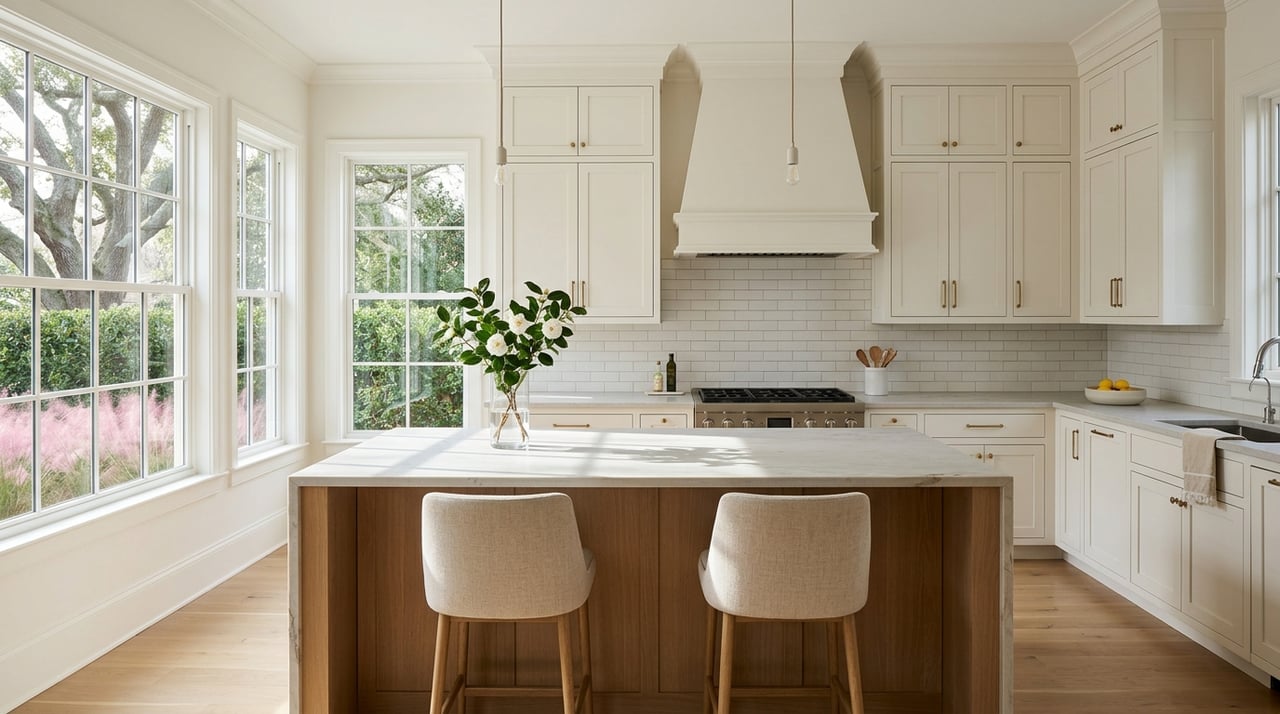
Is your Mount Pleasant home almost ready for its close‑up, but you are not sure where to start? Preparing a luxury property to sell is different than prepping a typical listing. You want to showcase the lifestyle, remove risk, and launch with confidence. In this guide, you will get a clear, step‑by‑step plan tailored to Mount Pleasant’s coastal market, including what to repair now, which updates pay back, the media your buyers expect, and the coastal paperwork to gather. Let’s dive in.
Know your Mount Pleasant market
Luxury in Mount Pleasant lives in a higher price band and follows its own rhythm. Local reports show Lower Mount Pleasant medians in the seven‑figure range in 2024–2025, with days on market and sale‑to‑list ratios shifting by micro‑location and whether the property is waterfront, renovated, or newly built. You can review the latest medians and trends in the Charleston Trident Association of REALTORS® April 2025 snapshot to frame expectations and discuss pricing strategy. See the area overview in the CTAR local market report.
High‑end buyers also expect a polished, lifestyle‑forward presentation. That means your effort before launch matters as much as your list price.
Start with strategy and triage
Prioritize must‑fix over nice‑to‑do
Begin with a simple walk‑through, then create two lists. On the must‑fix list, include anything that affects safety, financing, or obvious condition. Think active roof leaks, failing HVAC, unsafe electrical, plumbing failures, wood rot, or evidence of recurring moisture. These items raise red flags for buyers and appraisers.
If you are unsure about big‑ticket systems, consider a targeted pre‑listing inspection. Inspectors note benefits like transparency, fewer surprises, and better repair planning, along with the obligation to disclose what you learn. Read more about pros and cons in this pre‑listing inspection overview. Use any report to prioritize, not to fix everything.
On the nice‑to‑do list, collect cosmetic refreshes that photograph well and elevate first impressions. You will tackle the highest impact items here.
Coastal items to verify early
Mount Pleasant’s coastal context adds a few must‑dos you should handle upfront:
- Flood status and elevation. Check parcel‑level details through the FEMA Map Service Center. Gather elevation certificates if available and any flood policy or claim history. Start with the FEMA Map Service Center portal.
- Docks, piers, and seawalls. Confirm permits and any recorded approvals that affect dock rights. Shoreline features are regulated and permits matter to buyers. Review South Carolina’s coastal program framework via state code references.
- Salt‑air wear. Document recent servicing for HVAC and exterior mechanicals, and replace visibly corroded exterior hardware where practical. Keep receipts and service records in one folder.
- Community documents. Assemble HOA rules, design guidelines, and master plans for neighborhood amenities. Buyers will ask for these early.
Know your disclosure obligations
South Carolina requires a Residential Property Condition Disclosure Statement for most sales. You must disclose material defects you know about and update the disclosure before closing if new facts arise. Review the statute for context: South Carolina Code § 27‑50‑40.
Smart updates that photograph beautifully
You do not need a full remodel to compete in the luxury tier. Aim for high‑impact updates that show in photos and during tours.
- Fresh, neutral interior paint in key rooms. Choose light, consistent tones in the kitchen, great room, and primary suite.
- Flooring consistency and refinished hardwoods where needed.
- Clean, updated lighting and trim hardware in a cohesive style.
- Decluttered closets and simplified styling to maximize space and light.
- Outdoor living refresh. Stage porches, decks, pool areas, and dock approaches so they feel like true extensions of the home.
Industry data shows professionally staged homes sell faster and for more on average. The Real Estate Staging Association tracks typical investments and outcomes you can review in their staging statistics. For curb appeal, simple landscaping updates often produce outsized returns. See practical ideas in this curb appeal guide.
Staging and media that sell the lifestyle
Staging helps buyers visualize themselves in the home and reduces the perceived need for work. In the luxury band, staging also sets the tone for premium listing media.
Build a premium media package
High‑end buyers rely on rich visuals. A complete package typically includes:
- Professional interior photography with detail shots that capture quality and scale.
- 5–10 aerial or drone images to show lot lines, views, and proximity to downtown Charleston and waterways.
- Twilight hero images that highlight architectural lighting and outdoor spaces.
- An interactive floor plan and 3D tour. Industry research shows buyers engage more with listings that include floor plans and immersive tours. See the latest engagement insights in this buyer trends mini‑book.
For a sense of deliverables and timing, local media providers outline typical add‑ons and turnaround. Review common packages and schedules here: professional real estate media pricing.
Time shoots after staging
Finish any visible cosmetic work first, then stage, then photograph. Expect one to three business days for the full shoot and roughly one to three days for edited assets, depending on add‑ons and vendor load. Coordinating calendars early keeps momentum.
Budget for a polished rollout
- Staging. Partial or owner‑occupied staging often lands in the low‑to‑mid thousands. Full designer staging for larger or vacant homes can range higher. RESA tracks average investments and outcomes in their staging statistics.
- Media. Packages scale with scope. Pro photography, drone, twilight, video, and 3D can range from several hundred to a few thousand dollars. Review typical options and pricing via local media packages. Always request sample galleries before you book.
Pricing strategy for upper‑tier homes
Work with three clear pricing scenarios: conservative, market‑aligned, and premium. In each case, model expected net proceeds after staging, repairs, and potential concessions. Use recent luxury comps from your micro‑neighborhood and property type, supported by current medians and trends in the CTAR April 2025 report.
Before going public, consider a private preview for top local buyer agents and qualified clients. Appointment‑only showings safeguard privacy and create a curated experience. Some brokerages offer private preview and concierge marketing options. You can read about one example of a broker‑fronted concierge model here: Concierge program overview.
Pay‑at‑closing and concierge coordination
If you prefer to avoid upfront costs, ask about two common paths:
- Brokerage concierge programs. Some brokerages will front staging and improvement costs with repayment at closing. Terms vary, so clarify fees and timelines before you commit. See a program description here: Concierge program overview.
- Pay‑at‑closing contractors. Certain firms execute pre‑sale work and are paid at closing. This can be useful for targeted updates without tapping cash. For perspective on pre‑sale improvements and curb appeal choices, start with this curb appeal guide.
A concierge‑style listing agent can also coordinate vendors, scheduling, permits, and launch sequencing so you can focus on decisions rather than logistics.
Your 12‑week Mount Pleasant launch plan
Use this practical timeline if you want to list within three months.
Weeks 0–2: Strategy and triage
- Walk‑through to separate must‑fix from nice‑to‑do items.
- Order a targeted pre‑listing inspection if there are unknowns. Review pros and cons in this pre‑listing inspection overview.
- Gather HOA docs, permits, flood and elevation records, and maintenance receipts. Use the FEMA Map Service Center portal to confirm flood status.
Weeks 2–6: Repairs and staging plan
- Complete safety and financing‑critical repairs first.
- Select a stager and media team. Book photography for immediately after staging.
- If desired, enroll in a concierge or pay‑at‑closing option. Review a sample Concierge program overview.
Weeks 6–10: Media and soft launch
- Shoot interiors, drone, twilight, floor plan, and 3D tour. See typical packages and timing at professional media pricing.
- Build a property website and prepare a high‑quality brochure for showings and broker previews.
- Host a private broker preview, gather feedback, and finalize pricing.
Weeks 10–14: Public launch and showings
- Go live on MLS with full media and a standout hero image.
- Offer appointment‑only showings and lifestyle‑focused events where appropriate.
- Monitor engagement metrics like views, saves, and 3D tour interactions. Adjust pricing or presentation if needed. For context on how buyers engage with immersive assets, review this buyer trends mini‑book.
Longer‑lead projects, such as full kitchen renovations or seawall work, may require permits and extended timelines. Coastal approvals can take months depending on scope. Review the regulatory framework in South Carolina’s coastal program references and plan accordingly.
Documents to assemble before you list
Create a digital folder so you can share everything quickly with buyers and their lenders.
- Signed South Carolina Residential Property Condition Disclosure Statement. See SC Code § 27‑50‑40.
- Flood policy declarations, FEMA panel information, and any elevation certificates. Start here: FEMA Map Service Center portal.
- Dock, pier, and seawall permits or repair invoices. Include any surveys that note critical features.
- HOA rules, architectural guidelines, and fee schedules.
- Maintenance records for HVAC, roof, and major systems, plus termite and pest documentation.
Prepared sellers tend to enjoy smoother negotiations and better outcomes. With the right plan, you can launch your Mount Pleasant home at its best and capture the lifestyle buyers are seeking.
Ready to map out your tailored plan and timeline? Schedule a personalized consultation with Lisa Nicole Thornton to get a room‑by‑room strategy, vendor coordination, and a market‑backed pricing blueprint for your home.
FAQs
What should I fix before listing a Mount Pleasant luxury home?
- Prioritize safety and financing items first, like roof leaks, failing HVAC, unsafe electrical, and major plumbing issues, then move to high‑impact cosmetic updates that show well in photos.
Do I need a pre‑listing inspection for a high‑end property?
- It depends on your risk tolerance and what you already know about the home. A pre‑listing inspection can reduce surprises and help you plan repairs, but it also adds disclosure obligations.
Which listing media matter most for Mount Pleasant luxury buyers?
- Professional photography, aerials, twilight images, and an interactive floor plan with a 3D tour. These assets increase engagement and help out‑of‑area buyers evaluate your home.
How do concierge and pay‑at‑closing options work for sellers?
- Some brokerages front improvement and staging costs, and certain contractors accept payment at closing. Terms vary, so confirm fees, scope, and timelines before enrolling.
What coastal documents should I prepare before listing in Mount Pleasant?
- Gather flood and elevation records, FEMA panel information, dock or seawall permits, HOA rules, and maintenance receipts for major systems so buyers and lenders can review them early.
