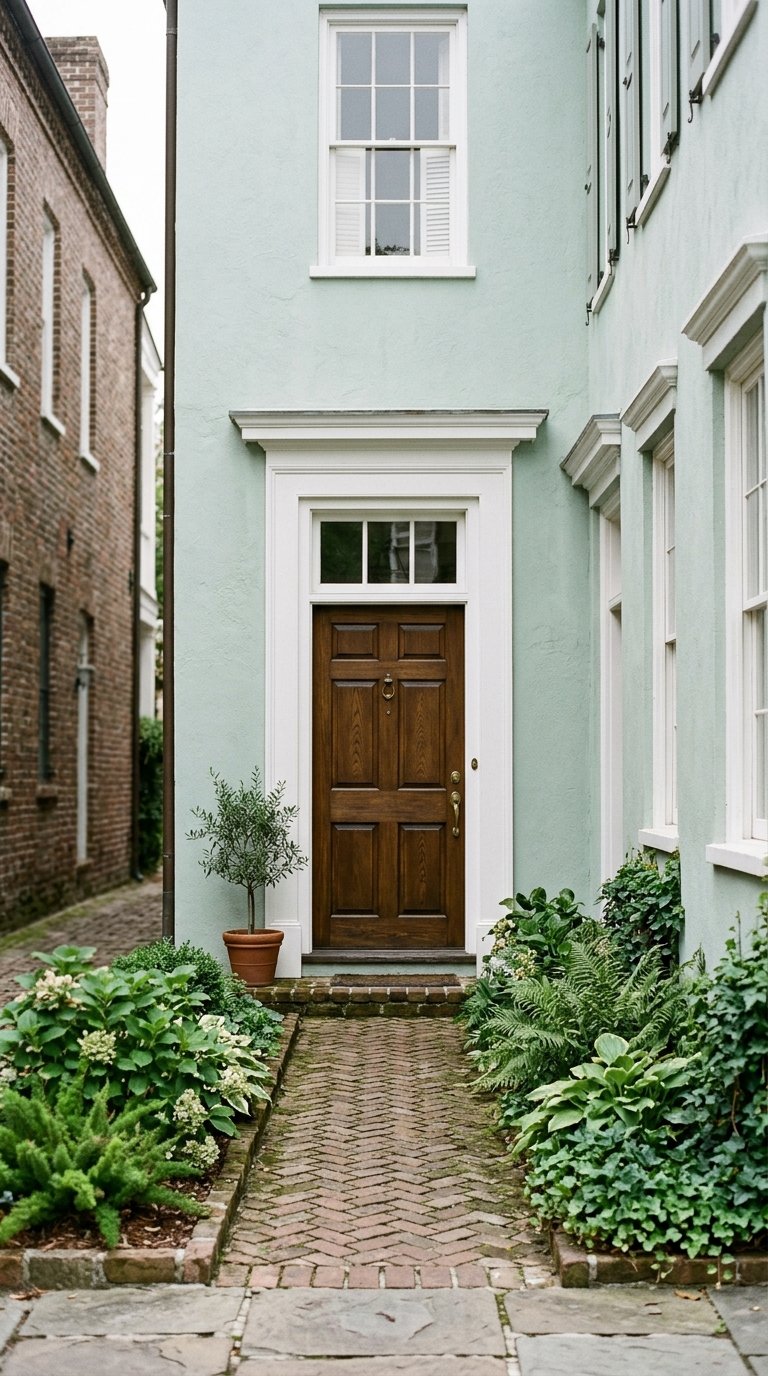
If you are trying to choose between South of Broad, the French Quarter, and Harleston Village, you are really choosing between three very different versions of downtown Charleston living. Each neighborhood offers history, walkability, and strong identity, but the day-to-day feel, price point, and practical tradeoffs can vary quite a bit. This guide will help you compare what matters most so you can focus your search with more clarity. Let’s dive in.
How these downtown neighborhoods differ
South of Broad, the French Quarter, and Harleston Village all sit on Charleston’s historic peninsula, but they appeal to buyers for different reasons. One leans legacy and waterfront prestige, one feels culturally active and urban, and one offers a more residential downtown rhythm.
They also exist in a preservation-heavy, flood-aware part of the city. That matters because your buying decision is not just about style and location. It is also about renovation rules, parking realities, and how you want to live in downtown Charleston every day.
South of Broad at a glance
South of Broad is known for its landmark setting and waterfront identity. The area is closely tied to the High Battery, historic homes along the seawall, White Point Garden, Waterfront Park, and some of Charleston’s most recognizable views.
Architecturally, this neighborhood is associated with Charleston single houses, pre-Revolutionary homes, antebellum residences, and larger piazza-fronted mansions. That architectural depth, combined with the preservation framework, gives South of Broad a stately and relatively quiet character.
For many buyers, this is the most legacy-driven choice of the three. If you picture historic prestige, harbor proximity, and a strong sense of place, South of Broad usually stands out first.
South of Broad market snapshot
Recent data shows a median sale price of about $3.07 million, with homes averaging around 77 days on market. The neighborhood’s Walk Score is 71.
That lower Walk Score does not mean the area lacks charm or access. It reflects a different kind of downtown experience, one centered more on scenic strolling and historic surroundings than on the dense, mixed-use energy you find elsewhere on the peninsula.
Who South of Broad may suit best
South of Broad may be the right fit if you want:
- A top-tier downtown price point
- Strong waterfront or near-water identity
- Iconic historic streetscapes
- A quieter, more legacy-oriented setting
If your goal is a statement property in one of Charleston’s most established historic areas, South of Broad often delivers that in a way few neighborhoods can.
French Quarter at a glance
The French Quarter has a different feel from South of Broad. It is more compact, more mixed-use, and more connected to arts, dining, and cultural landmarks.
The modern name dates to a 1973 preservation campaign and later broadened in local use. That history helps explain why the district feels less like a typical residential neighborhood and more like a compact urban heritage zone.
Landmarks shape the experience here. Dock Street Theatre, the French Huguenot Church, galleries, and nearby restaurants all contribute to a setting where stepping outside often means activity, foot traffic, and things to do close by.
French Quarter market snapshot
Recent data shows a median sale price of about $2.65 million, with homes averaging around 50 days on market. The Walk Score is 88.
In simple terms, that places the French Quarter below South of Broad on price, but still firmly in the luxury downtown tier. It also gives the neighborhood one of the strongest walkable, urban feels in this comparison.
Who the French Quarter may suit best
The French Quarter may be the right fit if you want:
- Easy access to dining and cultural venues
- A more active street environment
- Luxury downtown ownership below South of Broad pricing
- A highly walkable historic setting
If you want downtown Charleston to feel energetic and close at hand, the French Quarter often checks that box.
Harleston Village at a glance
Harleston Village is often the most residential-feeling of these three neighborhoods. It is still historic and highly walkable, but the identity here leans more toward daily livability, neighborhood routines, and park access.
The neighborhood is known for gardens, shaded sidewalks, historic homes, community events, and active local attention to zoning, parks, livability, and resilience. Colonial Lake is one of its signature amenities and is widely used for strolls and dog-walking.
That lived-in feel is what sets Harleston Village apart. It tends to feel less showpiece-driven than South of Broad and less visitor-oriented than the French Quarter.
Harleston Village market snapshot
Recent data shows a median sale price of about $1.30 million, with homes averaging around 87 days on market. The Walk Score is 89.
That makes Harleston Village materially more accessible than the other two neighborhoods in this comparison, while still offering strong downtown convenience. Buyers who want a wider range of entry points often start here.
Who Harleston Village may suit best
Harleston Village may be the right fit if you want:
- A more residential downtown atmosphere
- Strong walkability for day-to-day living
- Access to Colonial Lake and neighborhood parks
- A lower median price than South of Broad or the French Quarter
If you want downtown Charleston with a little more breathing room in the lifestyle experience, Harleston Village can be a compelling choice.
Side-by-side comparison
Here is a quick look at how these three downtown Charleston neighborhoods compare.
| Neighborhood | Recent Median Sale Price | Days on Market | Walk Score | General Feel |
|---|---|---|---|---|
| South of Broad | About $3.07M | 77 | 71 | Historic, waterfront, stately |
| French Quarter | About $2.65M | 50 | 88 | Cultural, mixed-use, active |
| Harleston Village | About $1.30M | 87 | 89 | Residential, walkable, lived-in |
Keep in mind these are thin, high-value submarkets. A small number of large sales can move the median quickly, and the three neighborhoods do not all have the same transaction volume.
Lifestyle differences that matter
Choosing the right neighborhood often comes down to how you want your days to feel. The architecture may get your attention first, but the rhythm of the area is what usually shapes long-term satisfaction.
South of Broad tends to feel scenic and established. The French Quarter feels closer to downtown activity and cultural landmarks. Harleston Village feels more tied to daily neighborhood life and routine walkability.
A helpful way to think about it is this:
- Choose South of Broad if setting and legacy are your top priorities.
- Choose French Quarter if you want culture and dining close at hand.
- Choose Harleston Village if you want a residential feel with downtown access.
Practical factors buyers should not overlook
In these neighborhoods, the practical side of buying matters just as much as the lifestyle side. Historic charm comes with real considerations that can affect cost, convenience, and your renovation plans.
Historic review and renovation rules
Because these neighborhoods sit in Charleston’s historic district environment, visible exterior changes may be reviewed by the City’s Board of Architectural Review. If you are considering a property with renovation potential, this should be part of your decision before you buy, not after closing.
That does not mean historic ownership is difficult. It means you should go in with clear expectations about approvals, timelines, and what kinds of exterior updates may require review.
Parking in downtown Charleston
Parking can be a real quality-of-life issue on the peninsula. The City says there are currently no vacancies for monthly parking accounts in its garages and lots, and downtown parking includes a mix of city, county, college, MUSC, and private facilities.
On-street meters are also active Monday through Saturday. In Harleston Village in particular, local neighborhood feedback has noted that parking pressure in some areas is driven by non-resident daytime users.
Flood awareness and resilience
All three neighborhoods sit within a flood-aware part of downtown Charleston. The City identifies the peninsula as one of the most flood-exposed urban areas on the East Coast, and current mitigation work includes projects aimed at tidal flooding and stormwater management, including the Low Battery restoration and Battery Extension project.
For buyers, this means flood resilience should be part of your due diligence. It is wise to evaluate not just the home itself, but also the surrounding block, elevation context, and long-term infrastructure environment.
Which neighborhood is right for you?
If you are deciding between these three areas, the best choice usually comes down to your priorities more than a simple ranking. There is no one-size-fits-all winner because each neighborhood serves a different downtown lifestyle.
You may lean toward South of Broad if you want Charleston’s most iconic historic and waterfront identity. You may prefer the French Quarter if you want culture, dining, and a more active streetscape. You may land on Harleston Village if you want walkability and historic character with a more residential day-to-day feel.
The key is to compare not only price, but also rhythm, logistics, and long-term fit. When you view these neighborhoods through that lens, the right answer often becomes much clearer.
If you want help comparing specific blocks, property types, or current opportunities in downtown Charleston, Lisa Nicole Thornton can guide you with personalized, neighborhood-level insight and concierge-style support.
FAQs
What is the main difference between South of Broad, French Quarter, and Harleston Village?
- South of Broad is most associated with waterfront prestige and legacy appeal, the French Quarter is more culturally active and mixed-use, and Harleston Village feels more residential and neighborhood-oriented.
Which downtown Charleston neighborhood is the most walkable?
- Based on recent Walk Scores in the research, Harleston Village is at 89, the French Quarter is at 88, and South of Broad is at 71.
Which neighborhood has the highest home prices in this Charleston comparison?
- South of Broad has the highest recent median sale price at about $3.07 million, followed by the French Quarter at about $2.65 million and Harleston Village at about $1.30 million.
Is parking a concern in South of Broad, French Quarter, and Harleston Village?
- Yes. Downtown Charleston parking can be limited, the City says monthly parking accounts in its garages and lots are currently full, and on-street meters operate Monday through Saturday.
Do historic renovation rules affect homes in these downtown Charleston neighborhoods?
- Yes. Visible exterior changes in historic districts may be reviewed by the City’s Board of Architectural Review, so renovation-minded buyers should consider that before purchasing.
Should buyers think about flooding in these downtown Charleston neighborhoods?
- Yes. The Charleston peninsula is identified by the City as highly exposed to flooding, and buyers should include flood resilience and surrounding infrastructure in their due diligence.
