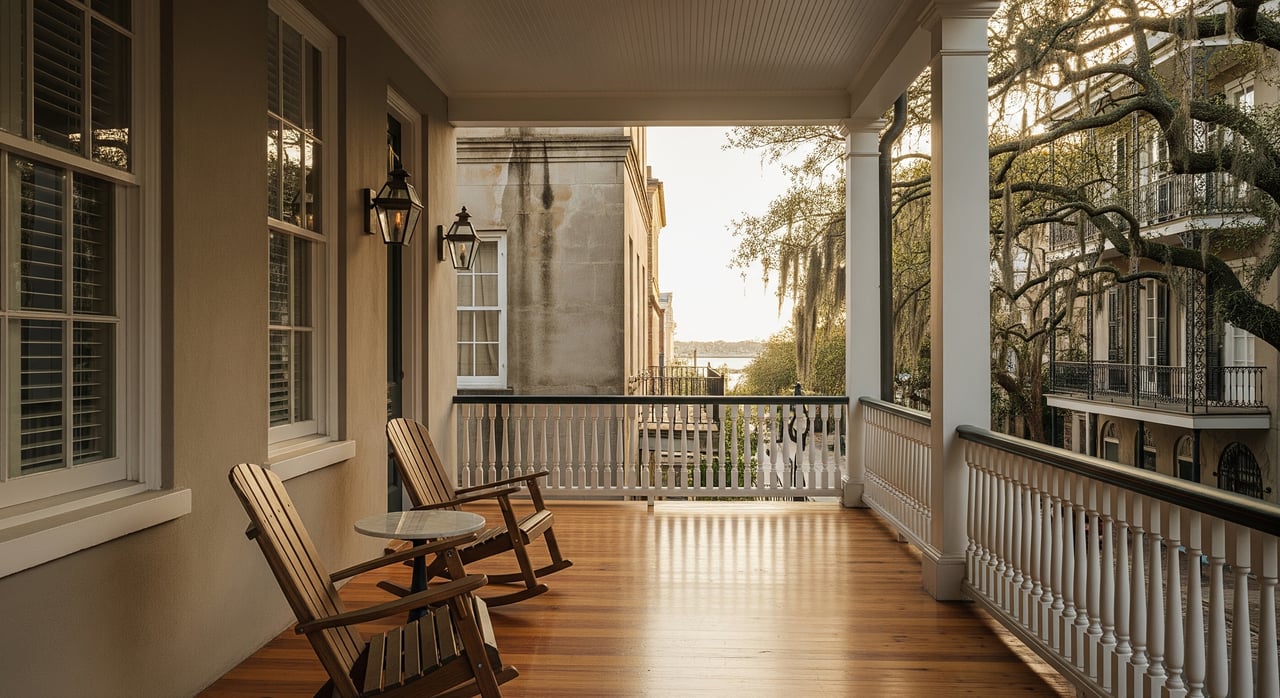
Picture yourself starting the day with a stroll under live oaks, grabbing coffee on King Street, then watching the sun slide across the harbor. If you are drawn to walkable streets, layered history, and a compact urban lifestyle, downtown Charleston can feel like a dream. But day-to-day living also comes with practical trade-offs like parking, flood risk, and tourist seasons. In this guide, you will learn how the peninsula is organized, what daily life looks like, and how to decide if it fits your routine and budget. Let’s dive in.
Where “downtown” begins and how it feels
The French Quarter and The Battery
These southern blocks are rich with 18th and 19th century architecture, cobblestone textures, and waterfront parks. The pace can be busy during peak seasons, then quiet on residential side streets at night. You will find galleries, historic homes, and scenic promenades that become part of regular walks.
King Street corridor
King Street is the commercial heartbeat, lined with restaurants, boutiques, and nightlife. It is lively on weekends and during events. If you enjoy having dining and shopping close by, consider a home a few blocks off King to balance access and quieter evenings.
Cannonborough/Elliotborough and Ansonborough
These areas mix residential streets with local businesses. You will see everything from renovated townhomes to small markets and cafes. The vibe skews younger near eateries and coffee spots, with a steady local rhythm beyond the main corridors.
North peninsula and MUSC
Around the Medical University of South Carolina, you will find student, resident, and professional housing along with medical facilities and related services. The area feels active during work hours with steady weekday traffic patterns.
The daily rhythm of the peninsula
Walkability and parks you will use
Downtown is highly walkable. Many errands, dining options, and parks sit within a short walk, especially near King Street and historic districts. Waterfront Park, White Point Garden, and The Battery are common daily destinations for exercise and fresh air.
Dining and shopping staples
You can choose from casual seafood, takeout, and high-end Southern and international restaurants. Specialty shops and boutiques cluster along tourist corridors. Full-service supermarkets exist on and off the peninsula, and many residents use delivery for groceries.
Arts, festivals, and nightlife
Small museums, galleries, and historic houses are part of the cultural fabric. Major events, such as multi-week arts festivals and food and wine happenings, draw visitors and add energy. Live music and theater are available, though many larger events are seasonal.
Tourism patterns and local tips
Tourism supports downtown businesses, but it also brings crowds, noise, and traffic in peak seasons. Residents often plan errands around high-traffic times or choose routes a block or two off popular corridors to keep things smooth.
Housing styles and what to expect
Historic singles and townhomes
You will see the classic Charleston single house, narrow on the street with side piazzas, along with attached townhomes and rowhouses. These homes offer character and a sense of place. Expect ongoing care needs like porch, window, and foundation maintenance.
Condos and multifamily options
Condos range from historic conversions to newer mid-rise buildings. Associations may have rules on short-term rentals, shared maintenance, and assessments. If you prefer lower exterior maintenance, a condo can simplify daily life while still placing you near everything.
Costs and upkeep basics
Downtown is one of the higher-cost areas per square foot in the region. Historic homes can carry higher upfront prices, plus maintenance, renovation, insurance, and potential HOA or condo fees. Budgeting for routine and preventive care, including termite protection and HVAC updates, is smart.
Preservation rules in practice
Exterior changes in many downtown areas fall under the City’s historic preservation review. Items like paint colors, windows, porches, and additions often need permits and design approval. Interior work is more flexible but structural or systems changes can require specialized contractors.
Practicalities that matter
Short-term rental basics
Short-term rentals are common in tourist areas and regulated by local ordinances. Rules can affect whole-home rentals, owner-occupancy, and licensing. Always confirm current city requirements and any building or HOA restrictions before you buy.
Flood risk and insurance
The peninsula is low-lying with varying levels of flood risk by block. Properties may sit in FEMA flood zones, and lenders often require flood insurance for low-elevation homes with a mortgage. Reviewing elevation certificates, base flood elevation, and a property’s flood history can help you plan.
Parking, transit, and commuting
On-street parking is limited and regulated, and many homes do not include dedicated off-street spaces. CARTA buses and downtown shuttles provide transit options, while ferries can connect to nearby destinations during peak service patterns. If you commute by car off the peninsula, plan for bridge traffic at peak hours.
Biking and micromobility
Biking works well for short trips, though comfort varies by block because of narrow historic streets and pedestrian density. Ride-hailing and taxis are a go-to for evenings out or airport runs.
Schools and childcare
Public school assignments depend on your exact address within Charleston County School District. Downtown includes a mix of neighborhood schools along with magnet and charter options. Many families also explore private or parochial programs. Always confirm current boundaries and availability with the district.
Healthcare and emergency services
MUSC provides hospital and specialty services on the peninsula. You will also find urgent care clinics and private practices downtown, which can be helpful for routine needs.
Utilities and internet
Utilities and city services are broadly reliable. Older buildings may need upgrades to support modern systems. Broadband internet options are generally available, but building infrastructure can influence speed and provider choice.
Groceries and everyday shopping
You will find smaller specialty markets and produce vendors within walking distance of many homes, with supermarkets on and off the peninsula. Many residents use grocery and meal delivery to streamline weekly routines.
Pros, cons, and trade-offs
What you may love
- Highly walkable streets with rich history and scenic waterfront views.
- Abundant dining, arts, and cultural amenities with a compact urban feel.
- Strong healthcare presence and public spaces that invite daily use.
What to balance
- Higher housing costs and maintenance for older properties.
- Flood risk and potential for higher insurance costs, plus nuisance tidal flooding.
- Tourism crowds, noise, and limited privacy in certain blocks and seasons.
- Limited parking and traffic at bridge access points during rush hours.
How to choose your block
Use this quick process to narrow your search and set expectations:
- Map your daily life
- List your must-walk destinations like parks, coffee, or work. Aim to be within a 5 to 10 minute walk for the highest day-to-day satisfaction.
- Check the practicals early
- Confirm parking options, whether on-street permits or a dedicated space. Review flood zone, elevation certificates, and recent flood history.
- Verify rules and fees
- If you plan exterior changes, learn which historic review applies. For condos, review bylaws, reserves, and assessment history. For STR potential, confirm current city and HOA rules.
- Test the commute
- Drive or bike your route during actual peak hours. If you work off-peninsula, check bridge timing and alternative options.
- Walk it at different times
- Visit morning, afternoon, and late evening to see how tourism, traffic, and noise shift by block and day of week.
Ready to explore your options?
Downtown Charleston offers a rare blend of history, water views, and walkable city living. If you want help matching lifestyle goals to the right block, reviewing flood and preservation factors, or comparing condo associations and STR rules, you can get personal, place-based guidance. Schedule a personalized consultation with Lisa Nicole Thornton to start planning your move.
FAQs
How walkable is downtown Charleston?
- It is very walkable for errands, dining, and parks, and many residents live car-light for neighborhood activities.
Is downtown Charleston safe for residents?
- Urban safety varies by block and time of day. Review current crime maps and talk with local resources for address-level context.
Do I need flood insurance for a downtown home?
- If your property is in a FEMA flood zone or your lender requires it, you will likely need flood insurance. Check maps and elevation details for any address.
Can I renovate a historic house downtown?
- Yes. Exterior changes typically require historic review and permits. Interior work may also need permits depending on scope.
Is parking difficult in downtown Charleston?
- It can be. On-street spaces are regulated and limited, and many homes lack off-street parking. Verify options before you buy or lease.
Are short-term rentals allowed downtown?
- They exist but are regulated. Rules change, and buildings or HOAs can add restrictions. Always confirm current ordinances and association policies.
When is the best time to visit or move downtown?
- Late fall and winter outside major holidays are quieter. Spring and fall are busiest and showcase the city’s cultural calendar.
How much do homes cost in downtown Charleston?
- Downtown tends to be among the pricier areas per square foot. Check current market reports or MLS data for up-to-date pricing by micro-neighborhood.
